
This session’s focus was to take some tips from lighting techniques through three point lighting and how to light a scene correctly within films and/or documentary’s
We began the session by making notes on these tutorial video’s introducing tips and advice on how to create a mood and atmosphere using light. This first video by FilmRiot explores the different ways you can create a mood with using one light and how bouncing the key light off a reflective surface or subject can enhance the scene in the way you want it too. I feel this video was very informative as it practices these techniques and physical shows you the effects of reflective lighting. it also demonstrates how light effects the mood of the scene, for example they show the effects of having a black material to absorb the key light can create a tense and mysterious shot in contrast to what a white material can do the enhance the quality of someones features.
https://www.bbc.co.uk/academy/en/articles/art20190814164819662
This video talks about the introduction to three point lighting, which not having much knowledge on lighting equipment prior to this was super helpful. It goes into detail about how each light has its own necessity to a frame, the Key frame being your key light source for the subject and positioning it in a way that complements the subject and the shot, The Fill light which is used to create or remove shadows of the subject by having control over the contrast and the Back light which add’s depth and another dimension to the subject. All of these components are used commonly in a documentary interview style set up, to which is not relevant to my project but it has broadened by understanding of lighting a subject and the techniques used in terms of where to place the lights is very constructive for me.
The final tutorial we discussed was another short from FilmRiot, this time introducing basic lighting techniques and to gain more understanding on why certain light set up’s are used. We learned about high-key and low-key lighting and the presence of each in films and genre’s for example high key lighting is more commonly used in comedy films and studio tv productions this is used to light the subjects in their entirety with no shadows for emotion. Low-key does the opposite by using this in thrillers and horror films it sets the tone of the film using lighting alone and creates mood and setting. What I also found interesting was the triangle shape you can create with lighting on the face and how its actually really common in film to this day, going back to Rembrant the Dutch artist who would use low-key lighting for his paintings, it shows how this shadow on the broad side of the face can create more definition.
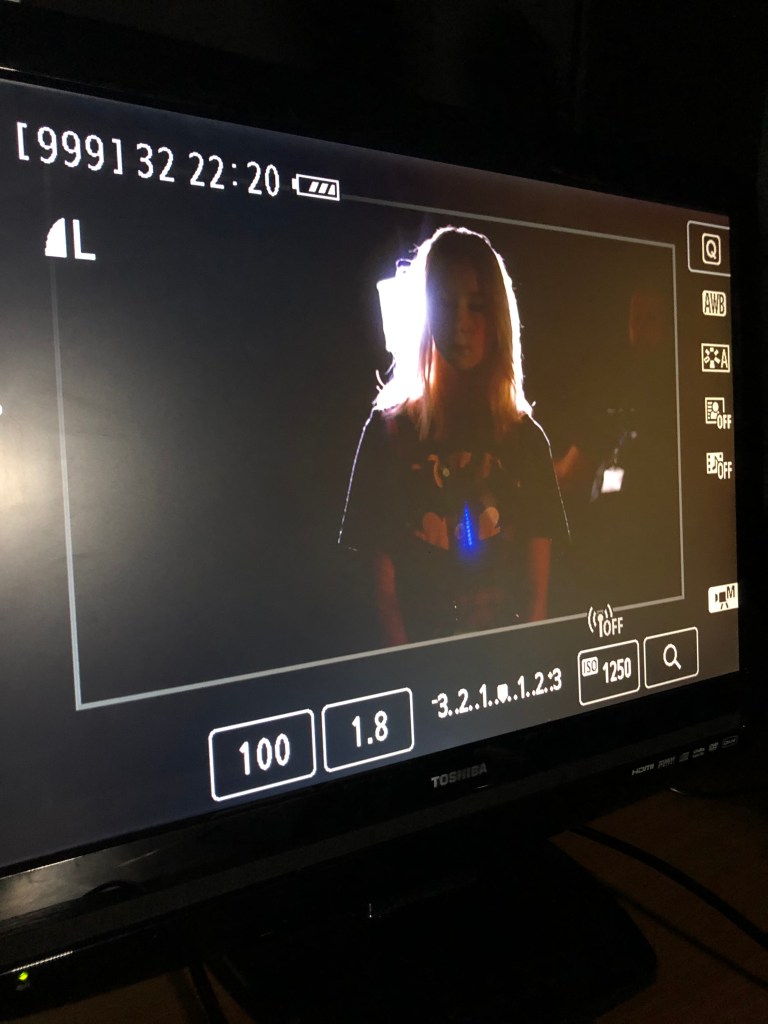
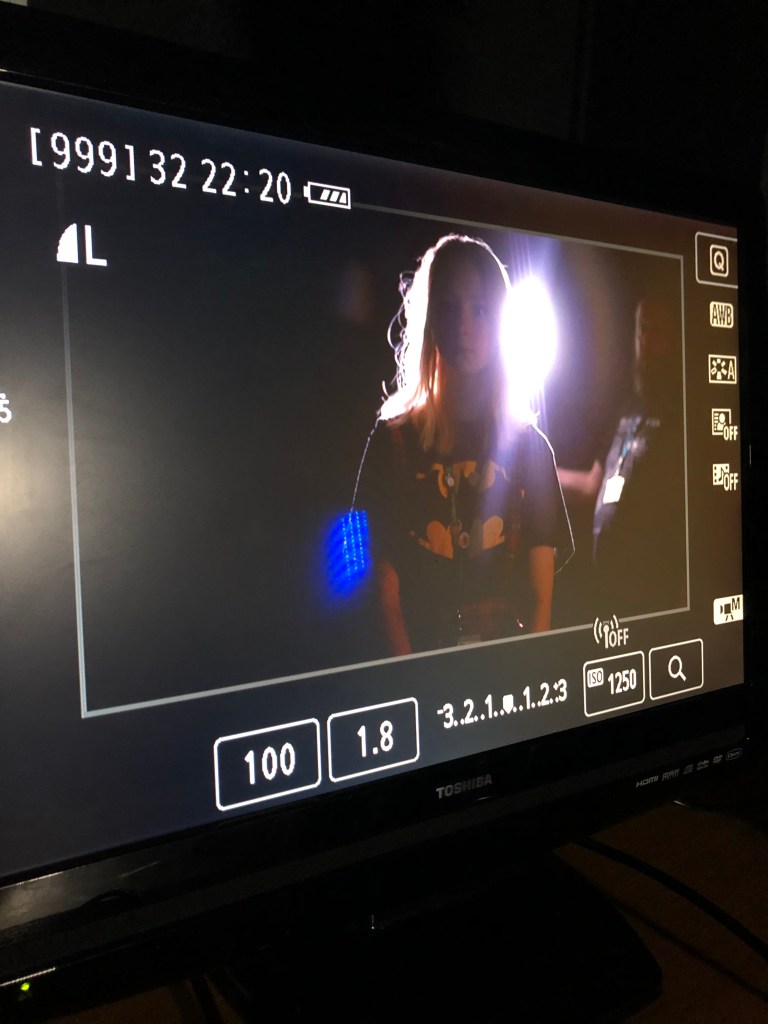
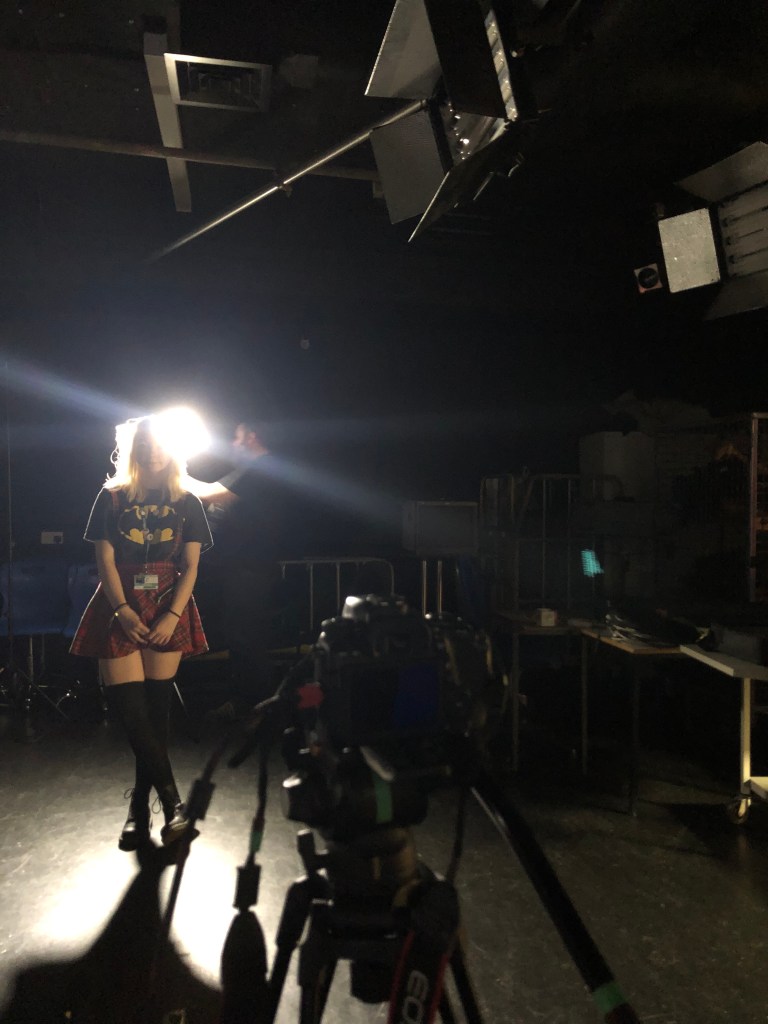
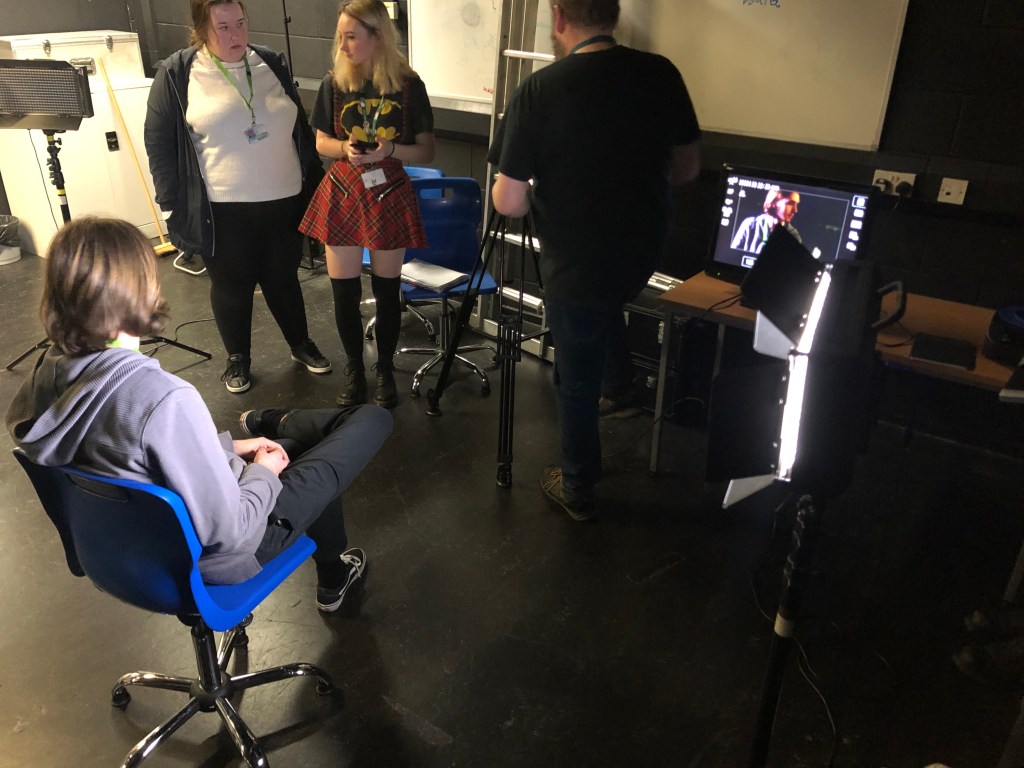
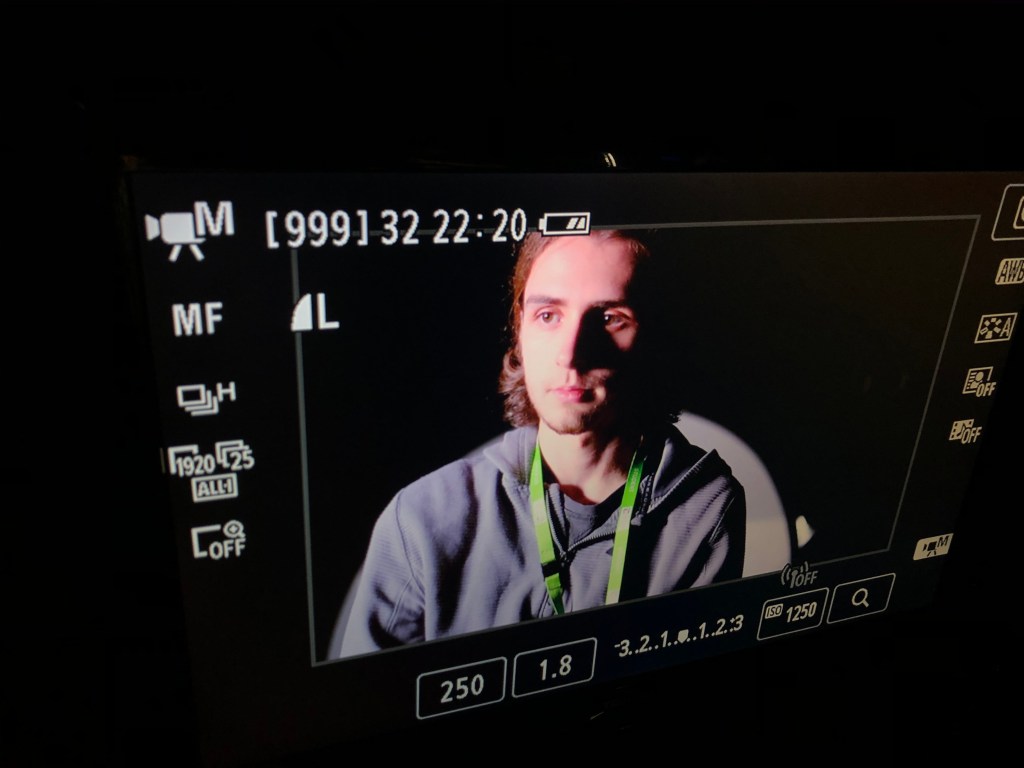
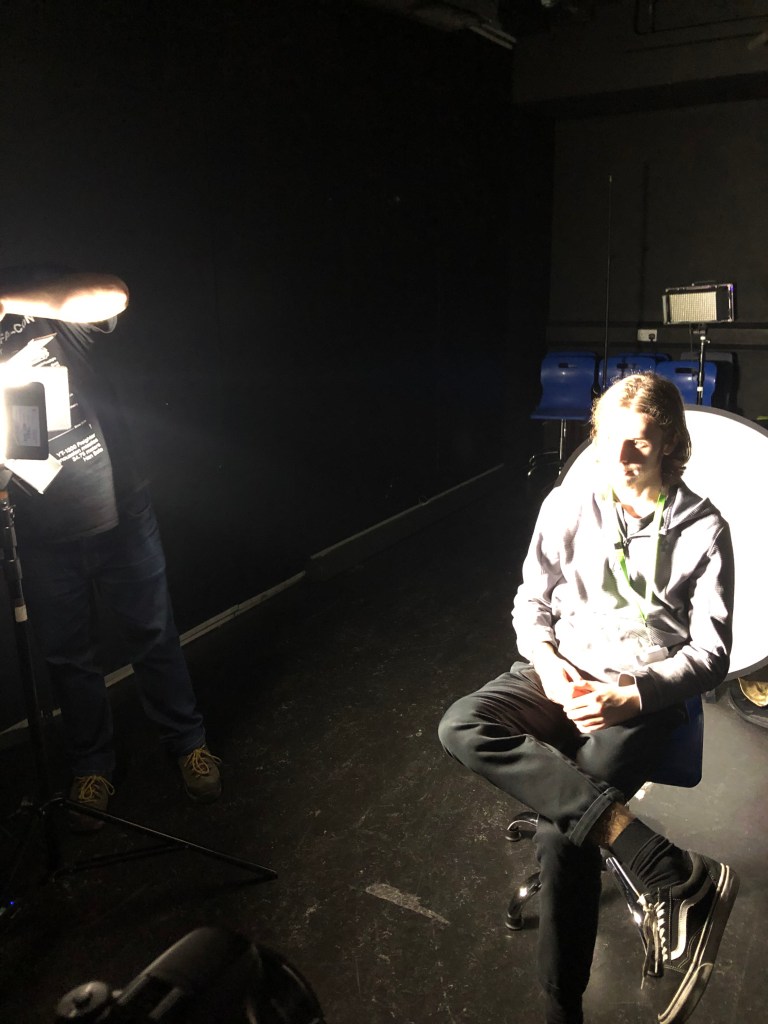
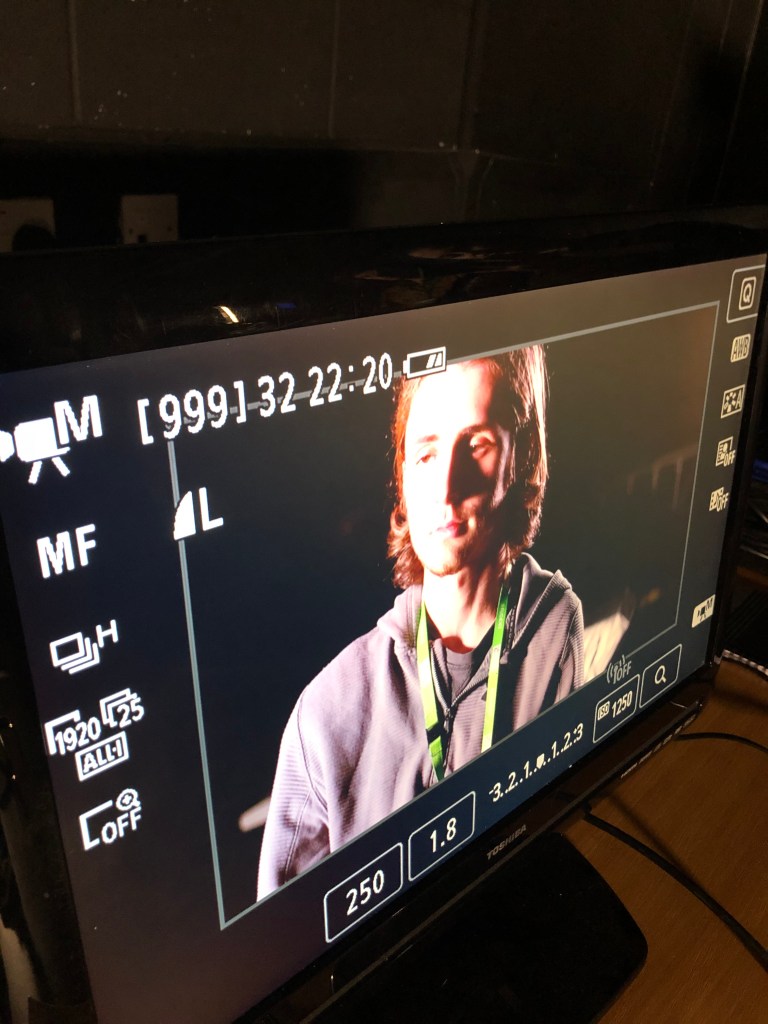
Later on in the session we got to practice these lighting techniques in the TV Studio, we got to try out Backlighting and three point lighting and the importance of it.
I enjoyed this session a lot as I will be working very closely with lights for my project to create a visual illusion and learning the importance of lighting a scene or subject.
 Meg's FMP Blog